

How to learn English effectively

It can be difficult to learn English as an adult – unless you have the right teacher or course. Most times, adults who want to learn English want to learn it very quickly. Click to read more...

How to Start a Conversation

For some beginners, start a conversation maybe really tough. As a beginner you need to know the basic of conversation, and here are I provide some basic question to help you start speaking English. Click to read more...

How to Understand Newspaper Headlines

Many students have difficulty understanding newspaper headlines. Here is a guide to the most common exceptions found in newspaper headlines. Click to read more...

Paragraph Writing

There are four sentence types used to construct a paragraph: 1) Topic sentence, 2) Supporting sentences, 3) Concluding sentence, 4) Transitional sentence. Click to read more...

Common Mistake

As a beginner make some mistakes is a natural thing. This is some example of common mistake. Click to read more...

Tampilkan postingan dengan label Reading. Tampilkan semua postingan

Senin, 09 April 2012

Dialouge: Move to the City


Dialouge: Move to the City

Dion: How do you like living in the big city?
Rini: There are many things that are better than living in the country!

Dion: Can you give me some examples?
Rini: Well, it certainly is more interesting than the country. There is so much more to do and see!

Dion: Yes, but the city is more dangerous than the country.
Rini: That's true. People in the city aren't as open and friendly as those in the countryside.

Dion: I'm sure that the country is more relaxed, too!
Rini: Yes, the city is busier than the country. However, the country is much slower than the city.

Dion: I think that's a good thing!
Rini: Oh, I don't. The country is so slow and boring! It's much more boring than the city.

Dion: How about the cost of living? Is the country cheaper than the city?
Rini: Oh, yes. The city is more expensive than the country.

Dion: Life in the country is also much healthier than in the city.
Rini: Yes, it's cleaner and less dangerous in the country. But, the city is so much more exciting. It's faster, crazier and more fun than the country.

Dion: I think YOU are crazy for moving to the city.
Rini: Well, I'm young now. Maybe when I'm married and have children I'll move back to the country.


Selasa, 03 April 2012

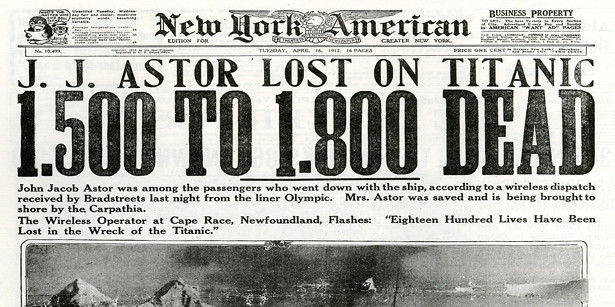
How to Understand Newspaper Headlines

Many students have difficulty understanding newspaper headlines. This is because newspaper headlines are often incomplete sentences (i.e. Difficult Times Ahead). Here is a guide to the most common exceptions found in newspaper headlines.

Noun Phrases

Headlines often contain a noun phrase with no verb. Here are some examples of noun phrase headlines:

Under Pressure from Boss
Unexpected Visit
Overwhelming Response of Voters

It's useful to ask yourself questions such as: From what?, About what?, From whom?, To whom? etc. By asking yourself these questions, you can begin preparing yourself for the article.

Various Verb Changes

There are a number of verb changes made to headlines. The most common are:

  • Simple tenses used instead of continuous or perfect forms. For example:

    Forgotten Brother Appears = A forgotten brother has appeared (after a long period of time).
    Professors Protest Pay Cuts = Professors are protesting pay cuts (at the university).

  • The infinitive form refers to the future. For example:

    Mayor to Open Shopping Mall = The mayor is going to open a new shopping mall.
    James Wood to Visit Portland = (Famous actor) James Wood is going to visit Portland soon.

  • Auxiliary verbs are dropped in the passive form. For example:

    Man Killed in Accident = A Man has been killed in an accident.
    Tommy the Dog Named Hero = Tommy the Dog has been named a hero (by the mayor).

Drop Articles

Perhaps you have noticed in the examples above that both definite and indefinite articles are also dropped in newspaper headlines (i.e. Mayor to Choose Candidate). Here are some more examples:

President Declares Celebration = The president has declared a celebration.
Passerby Sees Woman Jump = A passerby has seen a woman jump (into the river).